
4. Electrical Safety

4.2 Ensure no work on live electrical systems, installations and equipment is conducted unless solely for the purpose of fault finding/ testing work, or electricity retail connections conducted by the distribution authority or Accredited Service Provider.

RISK – Electric shock

Testing work includes commissioning.


The electrical contractor must provide a list of employees authorised by them to work on live testing, commissioning and/or fault finding or for electricity retail connections conducted by the distribution authority or their Accredited Service Provider.


Only an authorised person will work on live electrical systems for testing, commissioning and/or fault-finding or for electricity retail connections conducted by the distribution authority or their Accredited Service Provider. No other live work is permitted.
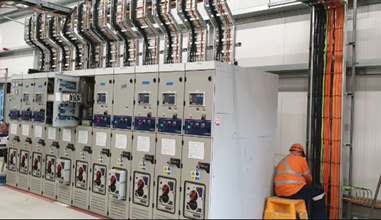
 

Commissioning works on the New Intercity Fleet (NIF) Maintenance Facility Project


Controls must also be in place to ensure:

  • Live work is authorised
  • No one can accidentally touch any part that is live and exposed
  • All work is carried out by a competent person with appropriate testing equipment and PPE
  • All work is carried out in accordance with a TRA or SWMS
  • A competent observer and LV rescue kit is present, if needed


Related GMRs

4.1 All persons carrying out electrical work and supervision of electrical work must be licensed and/or verified competent


Related Procedures / Forms

Electrical Safety Procedure

Isolation Procedure


© John Holland Pty Ltd.

GMRs

  • Home
  • About the GMRs & this site
    • What are the GMRs?
    • What do the GMRs include?
    • Implementing the GMRs
    • Our GMR Videos
  • 1. Traffic, Plant & People
    • 1.1 Separating vehicles
    • 1.2 Overhead services and structures
    • 1.3 Pedestrian Separation
    • 1.4 Working in Operating Zones
    • 1.5 Fit for purpose plant
    • 1.6 Plant Modification
    • 1.A Licence and Verification
    • 1.B Road and rail rules
    • 1.C Seating position & seat-belts
    • 1.D Spotters
    • 1.E Operating zone permissions
    • 1.F Positioning plant
  • 2. Excavation & Trenching
    • 2.1 Excavation design
    • 2.2 Services and Structural Drawings
    • 2.3 Zone of Influence
    • 2.4 Barricading and Signage
    • 2.5 Services within 5m
    • 2.6 Tunnelling Controls
    • 2.A Positive Service Location
    • 2.B Access requirements
    • 2.C Safe Approach Distances
    • 2.D Excavation inspections
    • 2.E Preventing unauthorised access
  • 3. Lifting Operations
    • 3.1 Lift Competencies
    • 3.2 Lift Designer
    • 3.3 Ground Bearing Capacities
    • 3.4 Inspections & Maintenance
    • 3.5 Mobile plant load limits
    • 3.6 Lifting site inspection
    • 3.A Pre-Start Inspections
    • 3.B Mobile Plant used for lift
    • 3.C Exclusion zones
    • 3.D Suspended Loads
    • 3.E Competent Person(s)
  • 4. Electrical Safety
    • 4.1 All persons carrying out electrical work and supervision of electrical work must be licenced and/or verified competent
    • 4.2 Live electrical systems
    • 4.3 Safe System of Work
    • 4.4 Protective devices
    • 4.A Treat as Live
    • 4.B Legislative Requirements
    • 4.C Safe working distance
    • 4.D Electrical Supply Panels
  • 5. Work at Height
    • 5.1 Fall from height
    • 5.2 Falling objects
    • 5.3 Penetrations, shafts & risers
    • 5.4 EWP Protection Devices
    • 5.5 Grid Mesh / Chequer Plates
    • 5.A Barricades and exclusion zones
    • 5.B Overloading & adjustments
    • 5.C Harnesses
    • 5.D Installing roof sheeting
    • 5.E WAH Training
    • 5.F Accessing vehicles
  • 6. Wellbeing
    • 6.1 Wellbeing Risk Management
    • 6.2 Work rosters & Wellbeing programs
    • 6.3 Facility maintenance
    • 6.4 Occupational Hygiene
    • 6.5 AOD monitoring
    • 6.6 Wellbeing Champions
    • 6.A Be fit for work
    • 6.B Notify if unfit
    • 6.C Supportive work environment
    • 6.D Wellbeing Training
    • 6.E Know your Champions
    • 6.F Wellbeing Events
  • 7. Temporary Works
    • 7.1 Temporary Works Coordinator
    • 7.2 Temporary Works register
    • 7.3 TW Competencies
    • 7.4 Design Controls
    • 7.5 Temporary Work Protection
    • 7.6 Communication
    • 7.A Installation and Removal
    • 7.B Site validation
    • 7.C Working Load Limits
    • 7.D Inspection Schedule
    • 7.E Alterations
  • 8. Isolation
    • 8.1 Identifying Energy Sources
    • 8.2 Identifying Risks
    • 8.3 Isolations competencies
    • 8.4 Isolation Points
    • 8.5 Identifying Stored Energy
    • 8.A Test before touch
    • 8.B Releasing Stored Energy
    • 8.C Reviewing Isolation Status
    • 8.D Monitoring Isolation Controls
    • 8.E Re-instate guards
    • 8.F Personal Danger Tags/Locks
  • 9. Environmental Management
    • 9.1 Identifying risks
    • 9.2 Approvals/Licences/Permits
    • 9.3 Implementing Controls
    • 9.4 Identifying heritage, flora and fauna
    • 9.5 Minimising Resource Use
    • 9.6 Spoil and waste classification
    • 9.A Sensitive areas & boundaries
    • 9.B Dust, noise & vibration
    • 9.C Waste & hazardous substances
    • 9.D Maintaining / reviewing controls
    • 9.E Environmental findings
    • 9.F Water discharge
  • 10. Work on Rail
    • 10.1 Rail Competencies
    • 10.2 Qualified worker responsibilities
    • 10.3 Worksite Protection Risk Assessment
    • 10.4 Worksite Protection Plan
    • 10.5 Implement controls
    • 10.A Rail compliant PPE
    • 10.B Pre-work brief
    • 10.C Confirm protection controls
    • 10.D Network rules & safety instructions
    • 10.E Review Worksite Protection Plan
    • 10.F Rail certification
  • Knowledge Requirements
  • Glossary